Learn Dance from top experienced teachers


75 Dance Steps Names and Definitions
02 Mar 2026
.5 min read
. 9 Views
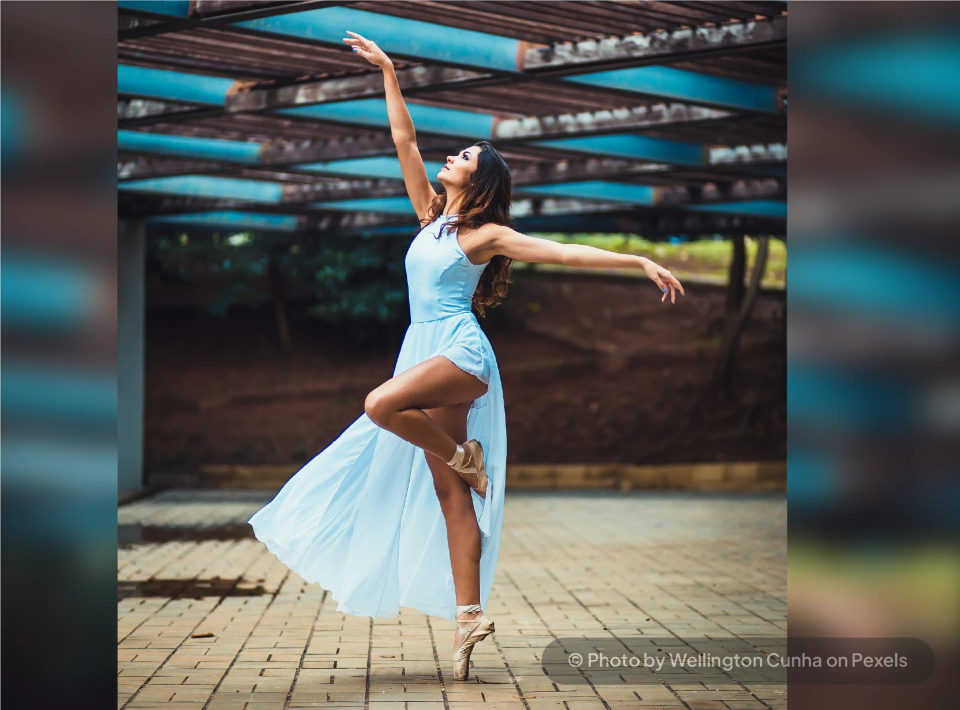
From toe taps to body rolls, ever wondered what makes each move pop on the dance floor? This curated list of 75 dance steps names—with easy definitions—covers over 10 dance styles, including hip-hop, ballet, jazz, ballroom, and more. Learning these steps helps you speak the language of dance, boost your technique, and follow choreography with confidence. Whether you're a student, teacher, performer, or just a curious dance lover—this guide is your go-to groove glossary!
75 Dance Moves Names and Definitions
1. Dougie
A laid-back hip-hop move featuring a side-to-side bounce, shoulder rolls, and a brushing hand motion near the head. It's all about adding personal style and rhythm to the groove.
2. Grapevine
A traveling step pattern—side, behind, side, together—used in ballroom, jazz, and line dancing. It helps dancers move smoothly laterally while keeping rhythm.
3. Booty Pop
A dance move focusing on isolated and rhythmic hip thrusts or "pops." It’s commonly seen in twerking, hip-hop, and commercial dance styles.
4. Happy Feet
A rhythmic toe-heel tap step where the feet swivel quickly in and out. Popular in jazz, swing, and as a groove step in hip-hop.
5. Cabbage Patch
A 1980s-style dance involving circular arm motions combined with a rhythmic bounce. It’s fun, carefree, and full of throwback energy.
6. The Waltz
A smooth ballroom dance in 3/4 time, where partners glide in flowing turns and rise-and-fall patterns. It's formal, elegant, and foundational in partner dancing.
7. Twist
A 1960s rock 'n' roll dance where dancers twist their hips and feet in place. Simple and energetic, it's often done solo on the dance floor.
8. Alemana
A turning step performed by the follower in Latin dances like the cha-cha and rumba. It features spiral-like footwork and graceful arm styling.
9. Billy Bounce
A relaxed hip-hop step involving a bouncing motion with subtle torso and leg movements. It’s a go-to groove step in freestyle dancing.
10. Body Roll
A fluid motion that travels from the chest down to the hips, creating a wave-like effect. Often used in hip-hop, jazz, and contemporary dance.
11. Bust Down
A high-energy hip-hop move involving rhythmic dropping and popping of the hips or full body. It’s grounded, bold, and often used in freestyle settings.
12. Camel Walk
A funky strut-like move where the hips and knees move in a smooth, gliding rhythm. Often seen in funk, soul, and Michael Jackson-inspired routines.
13. Chaine Turn
A fast, traveling turn performed in a straight line with the legs tightly together. Common in ballet and jazz, it relies on spotting and control.
14. Hitch Hike
A playful dance from the '60s involving thumbs pointed over the shoulder while stepping side to side. Inspired by the hitchhiking gesture and Motown music.
15. Krumping
A raw, expressive street style with aggressive movements like chest pops, stomps, and arm swings. It channels intense emotion and storytelling.
16. Running Man
A retro hip-hop move that mimics the motion of running in place. Involves sliding one foot back while the other lifts, in a continuous rhythm.
17. Locking
A funk dance style where dancers freeze or “lock” suddenly in place during a groove. Known for pointing, wrist rolls, and exaggerated motions.
18. Popping
A technique where muscles are quickly contracted and released to create a jerking motion. It's foundational in styles like robot, waving, and animation.
19. The Woah
A viral move where dancers freeze a small, sharp arm and shoulder motion to hit the beat drop. It’s quick, expressive, and used as dance punctuation.
20. Two Step
A simple social dance step involving two quick steps and one slow step, often moving in a line. Used in country, hip-hop, and club dance scenes.
21. Pas de Bourrée
A ballet transition step where the dancer moves in a back-side-front or side-cross-side pattern. It helps shift weight gracefully between poses
22. Mashed Potato
A retro dance with inward and outward swivels of the feet, giving a mashed movement effect. Popularized in the 1960s to upbeat soul music.
23. Isolations
Movements where one part of the body (head, shoulders, hips) moves independently of the rest. Essential in jazz, hip-hop, and contemporary dance training.
24. Wave
A fluid motion that travels through the body—usually the arms or torso—like a ripple. A foundational popping and hip-hop dance steps.
25. Suzi Q
A twisting footwork step often seen in swing and jazz styles. The front foot swivels while the back steps side-to-side in a groove pattern.
26. Heel-Toe
A rhythmic step alternating heel and toe taps, usually with twisting or bouncing. Common in hip-hop, house, and party dancing.
27. Shuffle
A fast-footed pattern where the feet brush or slide along the floor. Used in tap, jazz, and electronic dance styles like Melbourne Shuffle.
28. Time Step
A core tap dance rhythm that sets the pace and transitions between combinations. It’s often repeated with variations as a warm-up drill.
29. Charleston
A 1920s dance with swinging legs and toe-heel steps done with a bounce. It’s lively and often performed solo or with a partner.
30. Snake
A smooth body wave that starts from the head and flows down through the chest and hips. Often used in hip-hop to add fluidity and groove.
31. Alt Stomp
An alternating foot stomp typically done to the beat, shifting weight from one leg to another. It’s a basic groove step often used in hip-hop warmups.
32. Glide
A slick movement that gives the illusion of floating across the floor. Common in popping and breaking, requiring control and foot isolation.
33. Fouetté Turn
A ballet turn where the working leg whips out and around with each rotation. Dancers often perform a series of them on pointe or demi-pointe.
34. Fan Kick
A high leg kick that arcs across the body in a fan shape. Popular in jazz and cheerleading, it adds flair and dynamic shape to routines.
35. Twerk
A fast, repetitive hip-thrusting motion often performed in a squat stance. It’s rooted in Afro-diasporic traditions and popular in modern hip-hop.
36. Kick Ball Change
A two-part jazz move involving a kick followed by a quick step transfer. It’s snappy and often used in upbeat choreography.
37. Boogaloo
A funk style using rolling movements of the hips, knees, and torso. It’s loose, groovy, and essential in the popping dance vocabulary.
38. Zorba Step
A lively Greek dance step involving alternating side kicks and hops. Often done in a line with increasing speed and festive energy.
39. Basic Salsa Step
A forward and back step sequence with a quick-quick-slow rhythm. Foundational to all salsa styles and performed in both solo and partner work.
40. Moonshine
A retro-inspired tap step that includes a sliding motion with shuffles. It’s stylish, quirky, and used in vintage-style routines.
41. Heel Twist
Twisting movement of the heels inward and outward, often done rhythmically. Common in swing, rock ‘n’ roll, and line dancing.
42. Gwara Gwara
A South African dance involving rolling knees and shoulders in sync. It became internationally popular through music videos and viral clips.
43. Bankhead Bounce
A shoulder-focused hip-hop dance move originating in Atlanta. It involves shoulder pops and subtle arm movements on the beat.
44. Corkscrew Turn
A spinning move where the body rotates vertically in a spiral-like shape. Seen in jazz, contemporary, and acrobatic routines.
45. Shoot
A modern hip-hop move involving hopping on one leg while pumping the other leg and arm in sync. Made famous by BlocBoy JB and viral dance culture.
46. Box Step
A four-step pattern that outlines a square on the floor. Used in ballroom dances like the rumba and waltz, as well as in jazz combos.
47. Headspin
A breakdancing power move where the dancer balances and spins on the head. It requires core strength, balance, and momentum control.
48. Windmill
A continuous breakdance move where the legs whip in a circular motion while the back rotates on the floor. It’s athletic, dynamic, and iconic in B-boying.
49. 6-Step
A foundational breakdance footwork pattern performed in six distinct steps. It forms the basis for more advanced floorwork in breaking.
50. Dive Roll
A jump into a forward roll that looks like diving through the air. Often used in acrobatics, contemporary, and stage performances for dramatic effect.
51. Wop
A fun old-school hip-hop move with a bouncing groove and swinging arms. It’s rhythm-driven and often used in party dances and freestyling.
52. Lunge
A weight-shifting step where one leg bends forward and the other extends back. Used in contemporary, jazz, and partnering for dramatic shape and transition.
53. Fish Dive
A ballroom lift and dip where the follower is lowered dramatically, often into a backbend. It adds flair and theatricality to Latin and smooth routines.
54. Knee Spin
A spin performed while kneeling or gliding on the knees, often seen in breakdance or jazz funk. It requires control and smooth floorwork technique.
55. Heel Jack
A syncopated step used in swing and other forms of jazz dance involving heel touches with crossing steps. It adds rhythmic interest and foot styling to routines.
56. Stanky Leg
A relaxed, funky move involving loose leg shaking and subtle twists. It became popular in hip-hop dance circles and viral dance videos.
57. Moonwalk
An iconic illusion move where the dancer glides backward while appearing to walk forward. Made legendary by Michael Jackson’s smooth execution.
58. Robot
A mechanical-looking dance style characterized by stiff, jerky movements. Often part of popping, it mimics robotic actions through body control.
59. Butterfly
A hip-hop groove where the knees swing inward and outward in a butterfly motion. It’s often combined with body rolls and arm styling.
60. Harlem Shake
A wild, free-form shoulder dance that became a viral internet meme. Originally a loose groove from Harlem in the 1980s, it was reinterpreted in viral culture.
61. Cat Walk
A stylized walking step with poised hips and confident arm placement. Used in jazz, drag, and runway walks to exude attitude and style.
62. Shoulder Shimmy
A quick vibrating movement of the shoulders moving alternately or together. Common in jazz, burlesque, belly dance, and Latin styles.
63. K-Walk
A jerky bounce-forward movement used in hip-hop freestyle. It creates a “cool” vibe and adds texture to grooves and footwork.
64. Pelvic Thrust
A strong forward hip movement that emphasizes the pelvis. Used in jazz, hip-hop, and even rock performances for bold expression.
65. Jazz Square
A step pattern forming a square—cross, back, side, front. It's a staple in jazz and musical theatre choreography for its clarity and rhythm.
66. Floss
A fast-paced move where the arms swing in opposite directions around the hips while the body bounces. Popularized by the Backpack Kid and Fortnite, it’s a hit among younger dancers.
67. Pas de Chat
A ballet jump where both legs bend in the air, resembling a cat leaping. It’s graceful and often used as a connecting step in ballet sequences.
68. Barrel Turn
A traveling spin where the dancer rotates with arms extended as if turning around a barrel. Common in jazz and contemporary styles.
69. Step Touch
A basic step where the dancer steps to the side and touches the other foot next to it. It’s used in warmups, social dance, and beginner choreography.
70. Downrock
A form of breakdance footwork done on the hands and feet close to the floor. It includes steps like the 6-step and serves as a base for more complex moves.
71. Freeze
A sudden stop in breaking where the dancer holds a pose—often balancing on one hand or head. It punctuates a phrase and shows strength and control.
72. Crip Walk
A foot shuffle pattern originating from West Coast street culture. It features heel-toe pivots and stylized steps used in hip-hop freestyle.
73. Merengue March
A simple marching step used in Merengue dancing with quick side-to-side weight shifts. It's upbeat, accessible, and great for beginners.
74. Monastery
A footwork move from hip-hop and house involving inward toe pivots and outward heel switches. It creates a bouncing, inward-sinking rhythm effect.
If you want to learn all the above dance steps and more, you can explore online dance classes.
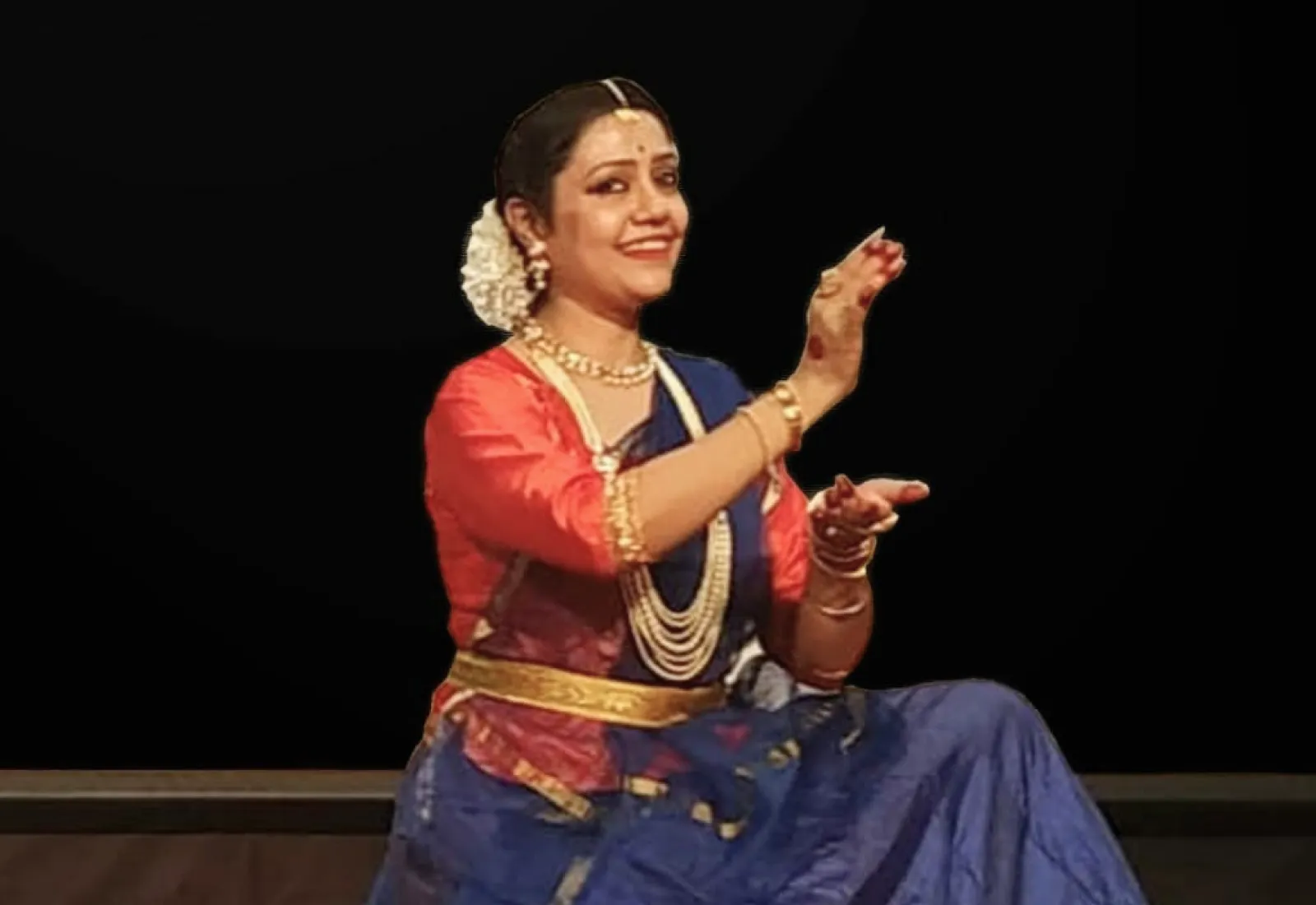
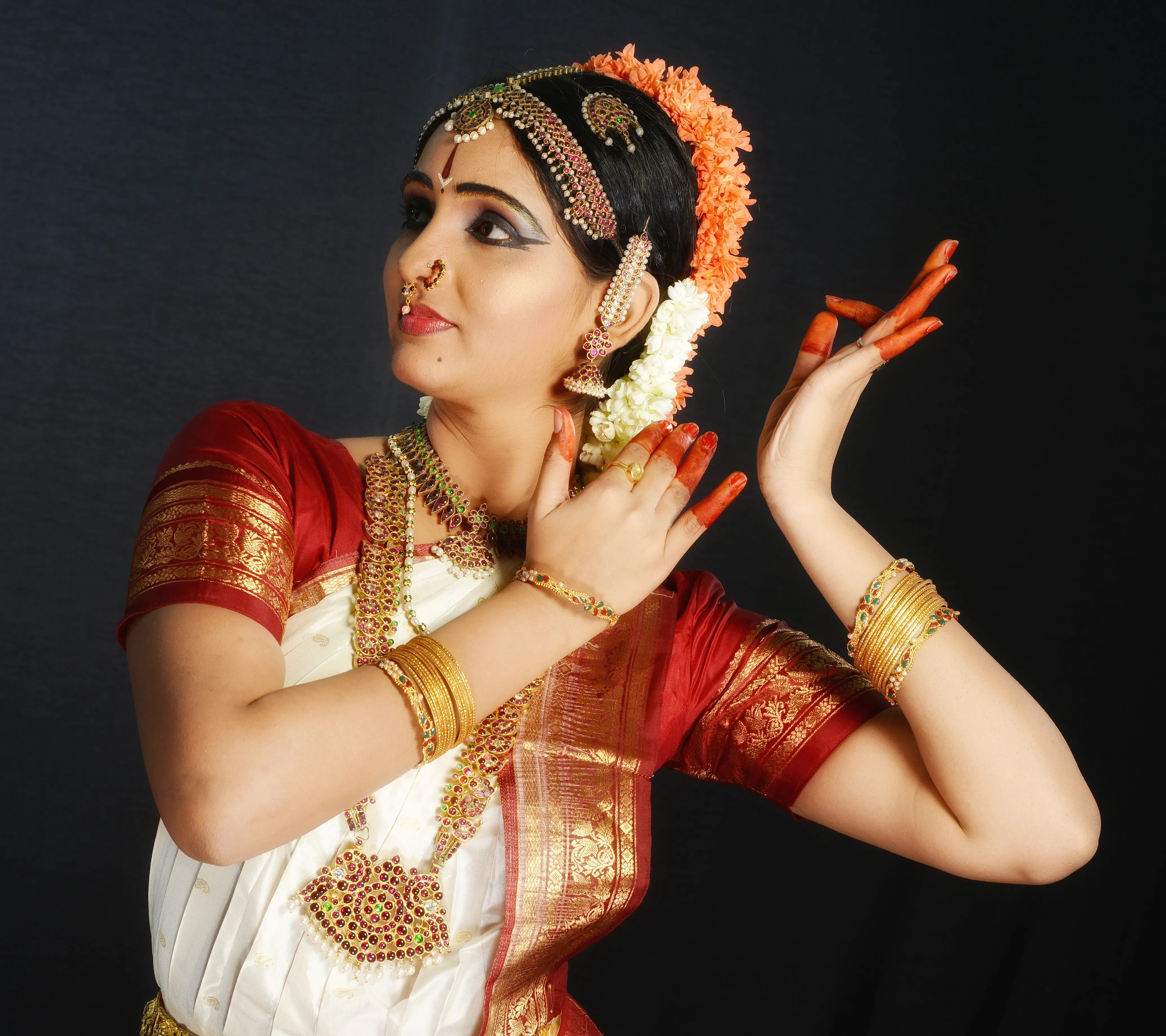
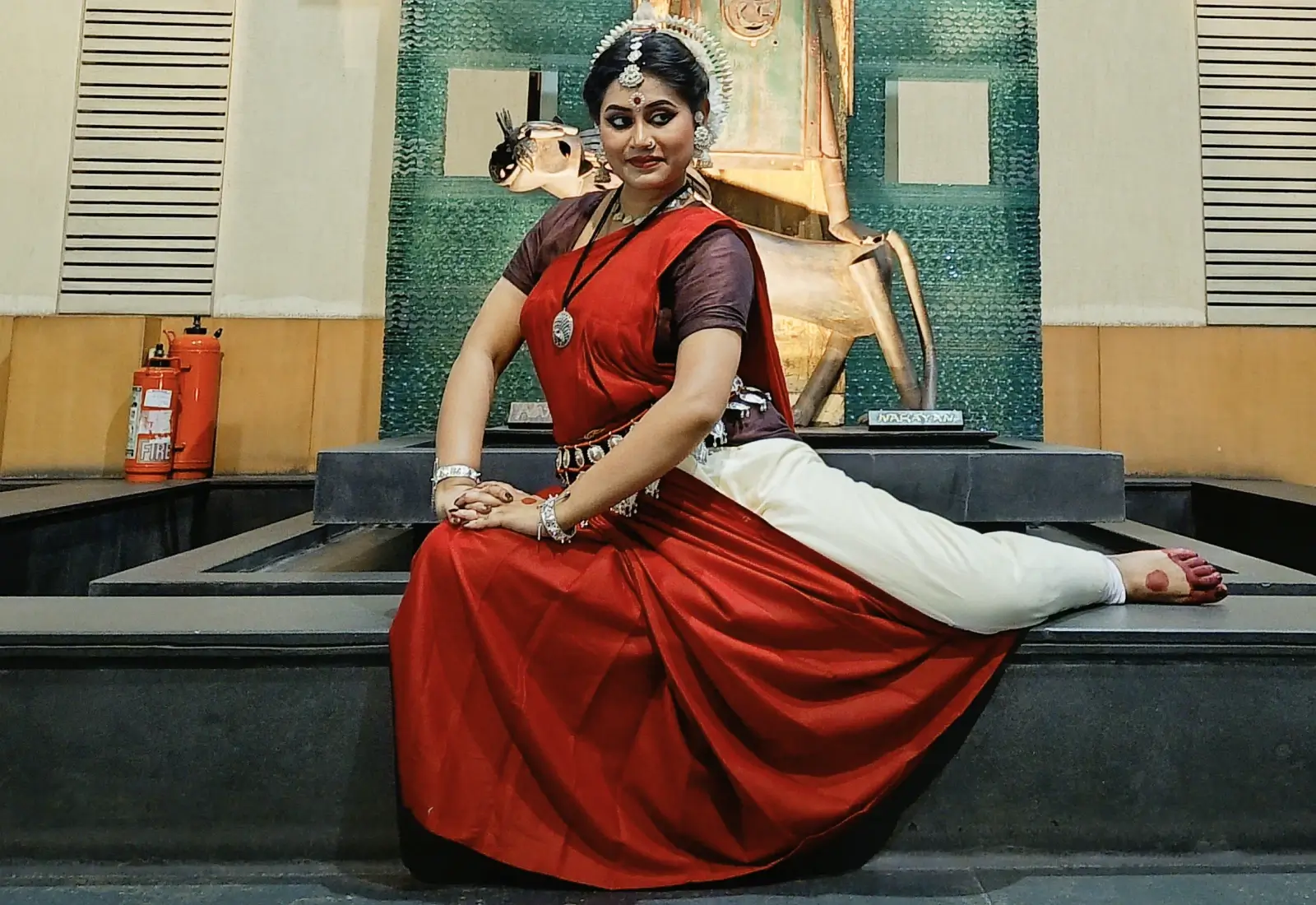
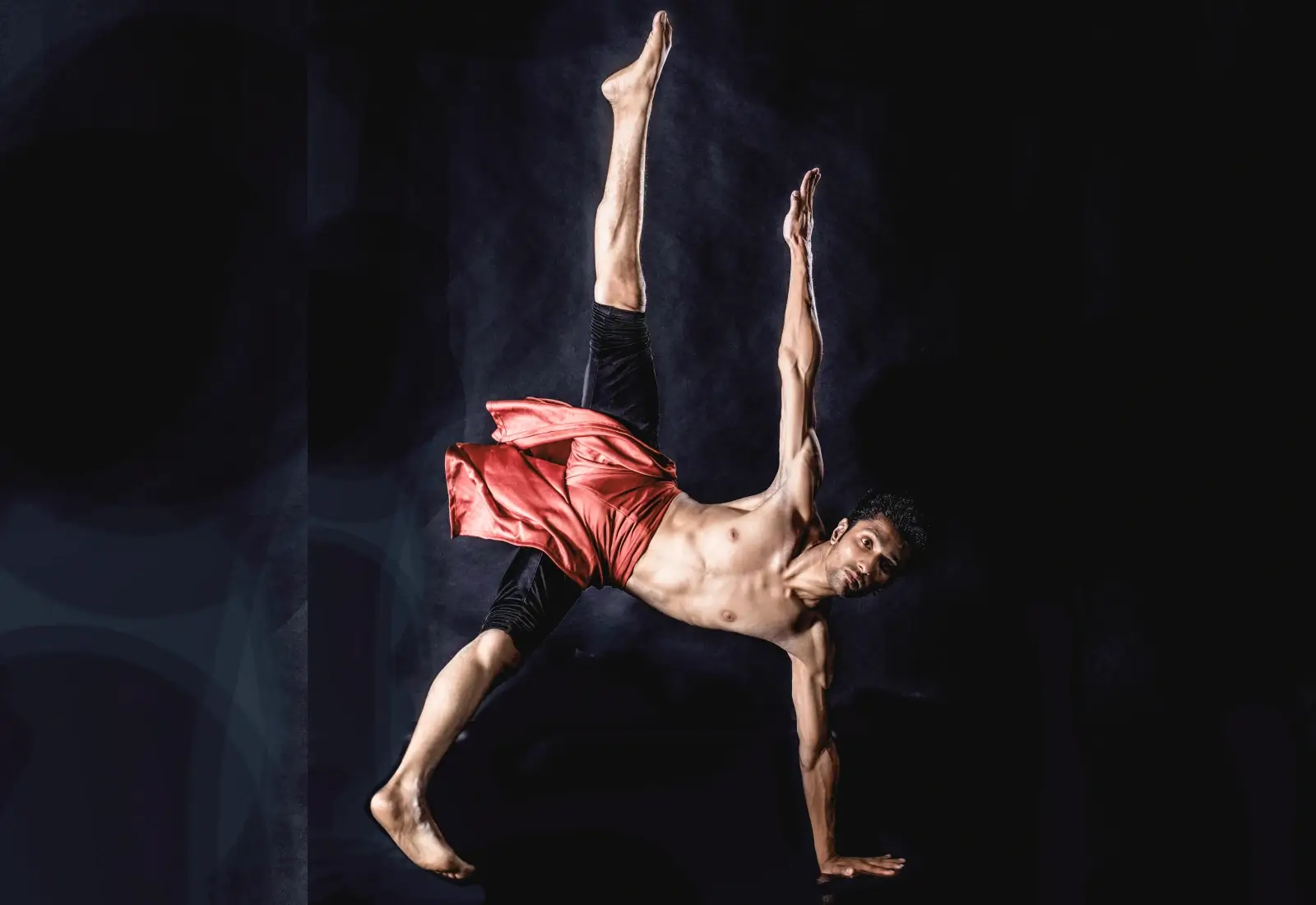
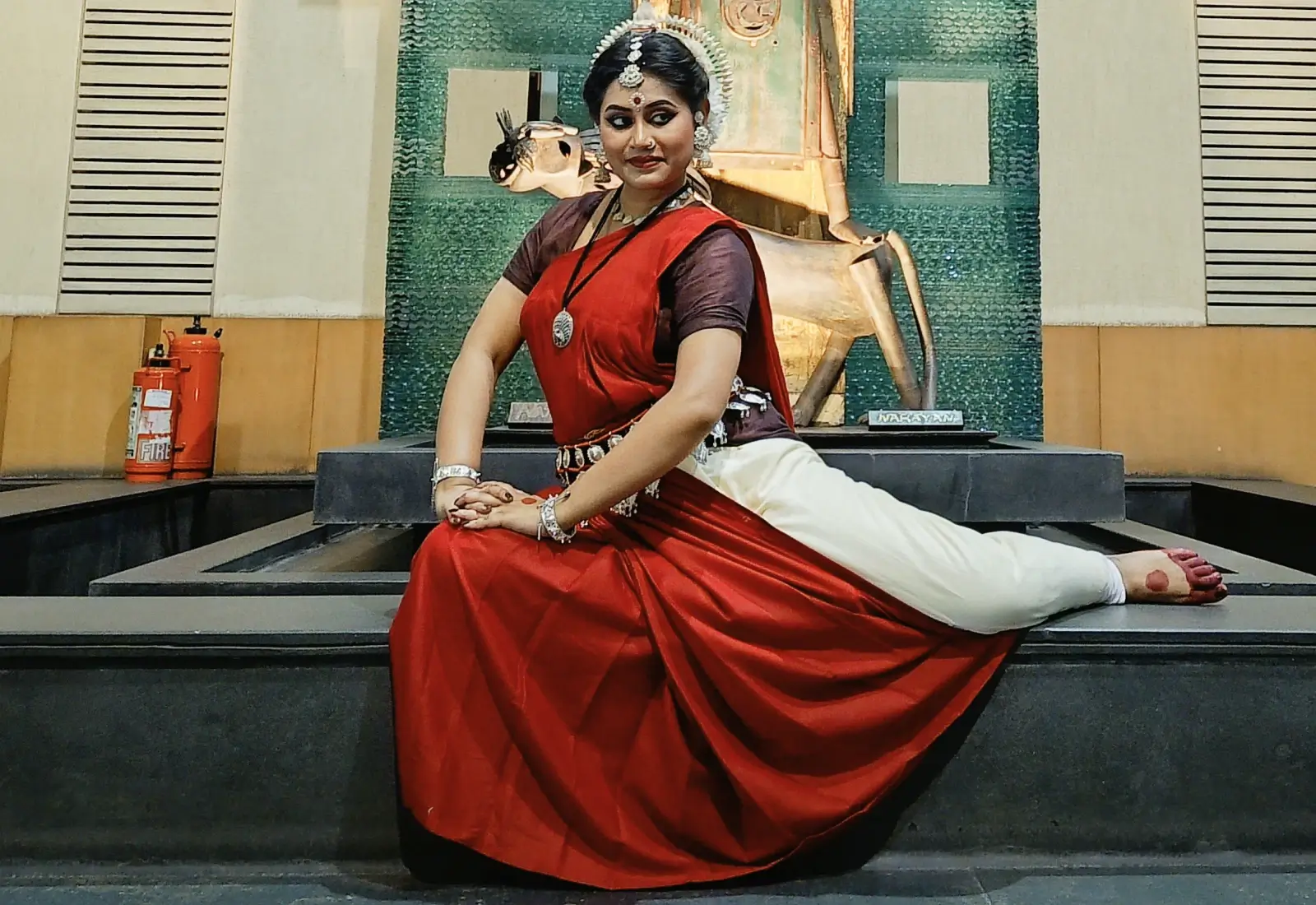
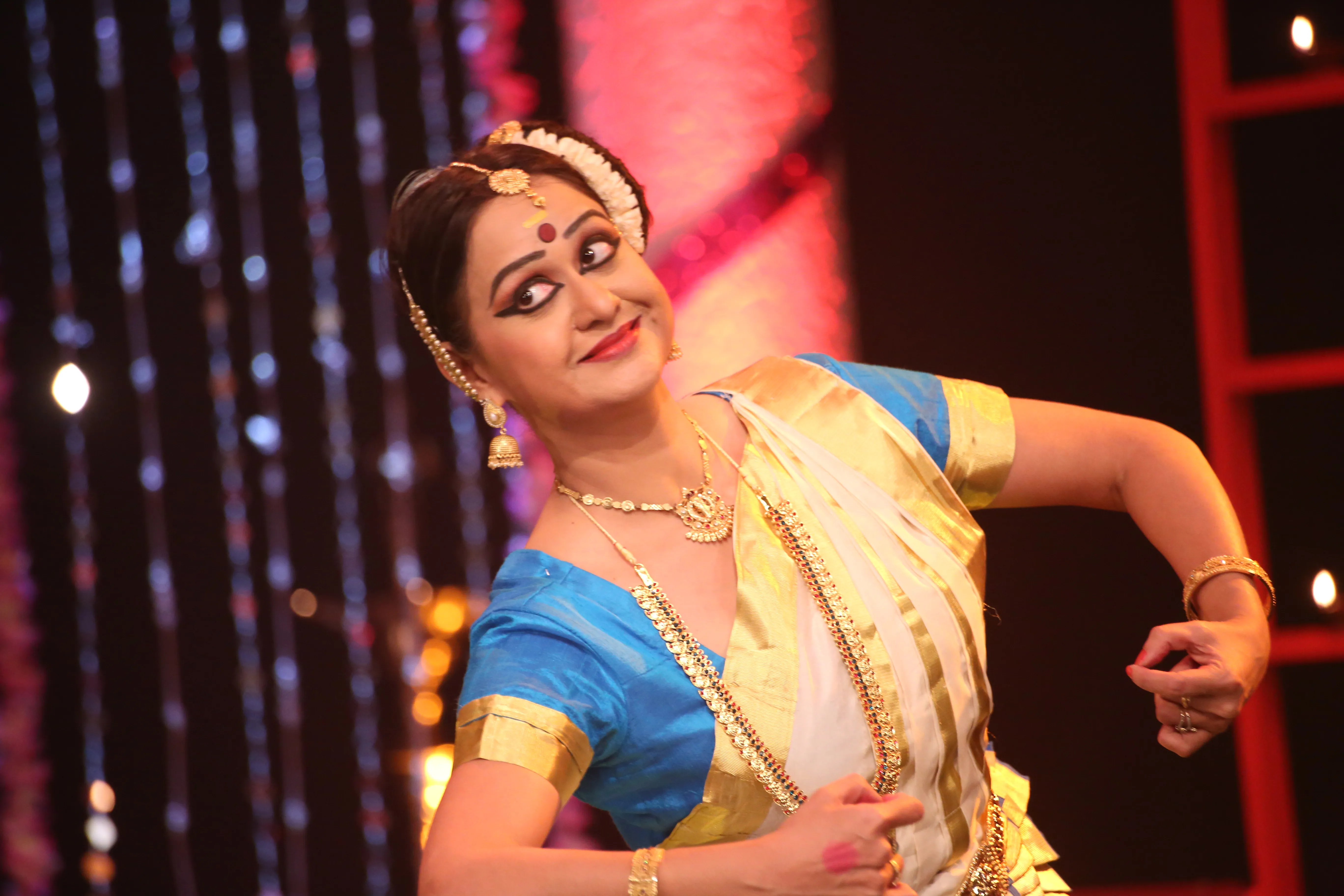



Dance steps are specific movements or sequences performed to rhythm and music. They form the foundation of any dance style and help dancers express emotion, maintain timing, and execute choreography correctly.
Learning dance step names helps dancers understand instructions, follow choreography easily, and communicate effectively during practice or performances. It also builds technical knowledge across different dance styles.
Basic dance steps for beginners include the two-step, grapevine, box step, body wave, and basic turn. These foundational moves improve coordination, rhythm, and confidence before learning advanced choreography.
There are hundreds of dance steps across classical, folk, hip-hop, ballet, jazz, and contemporary styles. Each dance form has unique step names and techniques suited to its rhythm and cultural roots.
Yes, beginners can learn 75 dance steps gradually by starting with simple movements and progressing to advanced techniques. Consistent practice and structured lessons make the process manageable and enjoyable.
Learn Dance from top experienced teachers
Online Dance Courses