Learn Contemporary Dance from top experienced teachers


Contemporary Dance

Contemporary Dance Overview
Contemporary dance is one of the most exciting and expressive forms of dance seen on stage today. It is known for its free-flowing movements, creative energy, and the way it mixes techniques from many dance styles. Unlike traditional dance forms that follow strict rules, contemporary dance is all about breaking barriers and finding new ways to move. This makes it a favorite for performers and audiences around the world.
Contemporary dance blends movements from ballet, modern dance, jazz, and even social or cultural dance forms. The result is a form of dance that feels natural, expressive, and innovative.
Instead of focusing only on set steps, contemporary dance encourages dancers to explore feelings, ideas, and stories through movement. It can be soft and graceful one moment, and quick or unpredictable the next. This variety makes it an exciting form for both performers and viewers.
History of Contemporary Dance
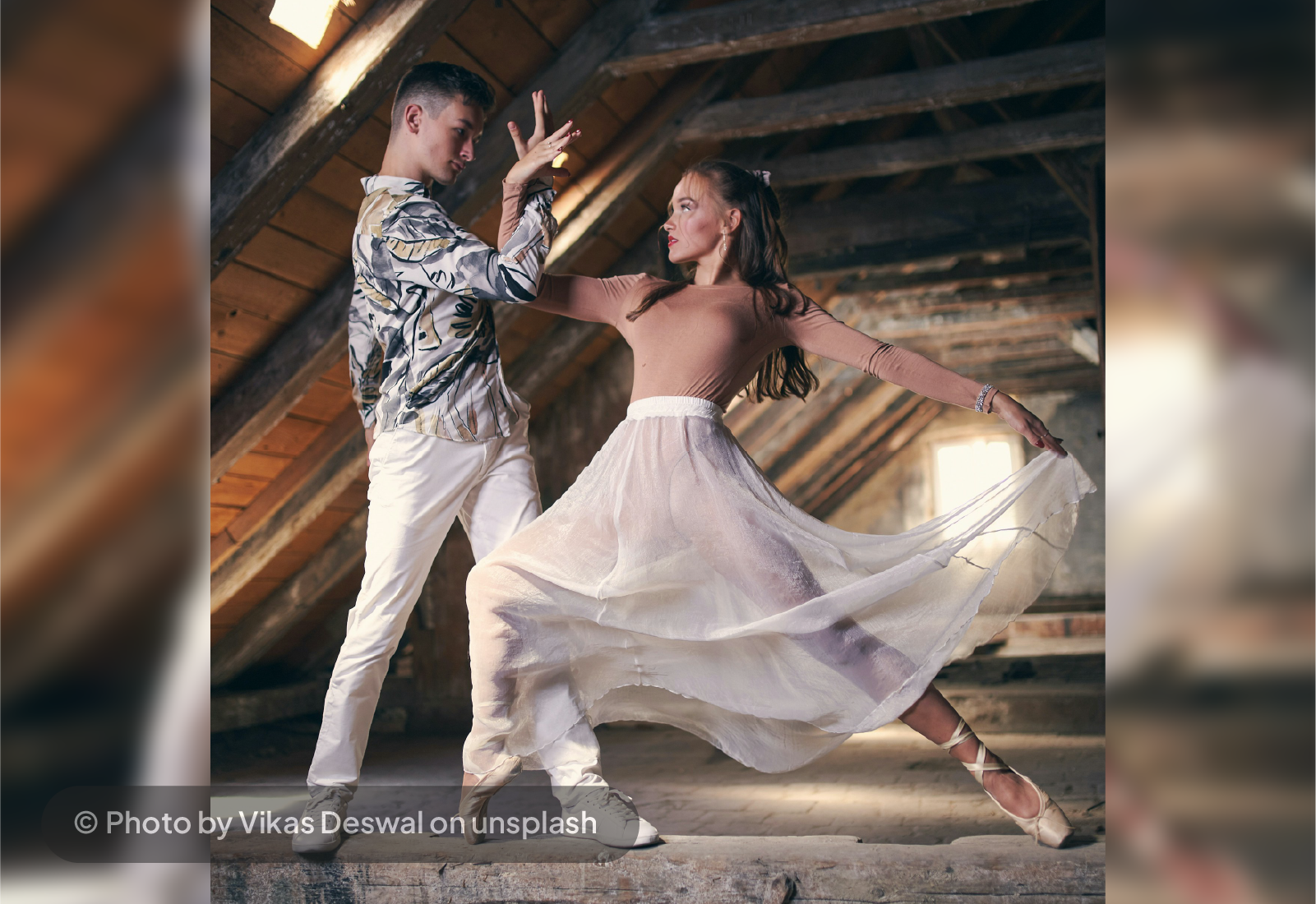
Contemporary dance emerged in the mid-20th century as a fresh, modern way to express human emotion and creativity through movement. While many people confuse it with modern dance, contemporary dance is actually more eclectic and wide in its range.
Modern dance was the first big step away from the rigid rules of classical ballet. Pioneers like Isadora Duncan, Martha Graham, Doris Humphrey, and José Limón rejected ballet’s strict postures and upright elegance. They wanted dance to feel natural, grounded, and closer to real human experience. They introduced new techniques like:
- Contract and Release: A method of tightening and relaxing muscles to show emotion and energy flow.
- Fall and Recovery: Using gravity and momentum to create movements that fall to the floor and rise back up.
- Improvisation: Allowing dancers to create movements freely in the moment.
These techniques became the building blocks of contemporary dance, which would later take them even further.
Modern Dance as the Foundation
Modern dance is the backbone of contemporary dance. It gave contemporary dance its emotional depth, its connection to gravity, and its use of the torso as an expressive center of movement. Where ballet sought to defy gravity and appear light and airy, modern dance embraced weight, earthiness, and a more human sense of motion.
Contemporary dance builds on these ideas but broadens the scope. Instead of rejecting ballet entirely, it uses ballet’s precision as a springboard. It combines ballet’s strong legwork with modern dance’s grounded torso and floor work, creating a style that is both athletic and fluid.
This fusion also brought greater freedom. Contemporary dance does not follow one set rhythm or one kind of music. A single piece might include stillness, sudden bursts of energy, and shifting tempos. This unpredictability makes contemporary dance exciting both for dancers and audiences.
The Influence of Ballet
Even though contemporary dance started as a reaction to ballet’s rigidity, ballet still plays a big role in shaping it. Ballet gave contemporary dancers a foundation in alignment, posture, and clean lines. It taught them to control their movements and develop balance and strength.
Contemporary choreographers often take traditional ballet vocabulary — turns, leaps, arabesques — and reimagine them. Instead of following the strict, front-facing rules of ballet, they might twist the torso, add floor rolls, or shift direction suddenly. This makes the movements feel freer and more organic.
In many professional dance schools today, dancers train in both ballet and contemporary technique. Ballet helps them stay technically strong, while contemporary classes teach them how to break the rules and move with emotion.
Jazz Dance and Its Rhythmic Energy
Jazz dance brought a different kind of energy into contemporary dance. With its African-American roots, jazz dance celebrates rhythm, syncopation, and individual expression. It uses bent knees, grounded stances, and sharp, percussive movements that contrast beautifully with the smooth flow of modern and ballet techniques.
Jazz dance also introduced the idea of isolations, moving just one part of the body, like the shoulders or hips, to match accents in the music. Contemporary dance absorbed this skill, allowing choreographers to play with texture and musicality.
The improvisational nature of jazz dance inspired contemporary dancers to experiment more, making each performance unique. Today, you will often see contemporary works that mix jazz’s lively, upbeat sections with modern dance’s emotional depth.
Global and Cultural Influences
One of the most striking things about contemporary dance is how open it is to influences from around the world. African dance inspired its grounded quality and use of rhythm. Yoga contributed ideas of breath, balance, and mindfulness. Martial arts introduced strength, focus, and unusual movement patterns. Japanese Butoh influenced contemporary choreographers to explore stillness, slow motion, and abstract storytelling.
This openness makes contemporary dance truly global. It is not tied to one culture or one music style. A single piece might mix African drum rhythms, classical piano, and electronic soundscapes, and it all feels natural.
Improvisation and Experimentation
Improvisation is at the heart of contemporary dance. It is used both as a training tool and a performance technique. In the studio, dancers improvise to discover new movements that might later become part of choreography. In performance, some choreographers leave space for dancers to make choices on stage, meaning no two shows are exactly alike.
This constant experimentation is what keeps contemporary dance alive and relevant. It allows choreographers to respond to current events, new technologies, and shifting cultural conversations.
The Emotional Core
At its deepest level, contemporary dance is about emotion and storytelling. Modern dance gave it the idea that dance could be personal — that it could express sadness, joy, fear, or hope. Contemporary dance carries that forward, often tackling complex topics like identity, relationships, mental health, politics, or climate change.
Sometimes contemporary dance tells a clear story. Other times, it is abstract, letting the audience feel and interpret the meaning for themselves. Either way, it always seeks to connect with human experience.
The Contemporary Dance Fraternity Today
Today, contemporary dance is not just a style but a worldwide movement. It has grown into a fraternity — a global community of dancers, choreographers, educators, and audiences.
A Global Stage
Contemporary dance is performed across the world. Prestigious companies like Nederlands Dans Theater, Alvin Ailey American Dance Theater, and Akram Khan Company tour internationally, bringing innovative works to audiences everywhere. Major festivals bring artists from different cultures together, creating opportunities for collaboration and cultural exchange.
Social media and streaming platforms have opened up access like never before. A dancer in a small town can now watch performances from Paris, New York, or Tokyo with just a click, gaining inspiration and education from across the globe.
Education and Accessibility
Contemporary dance is part of dance education at schools, colleges, and universities worldwide. For children and beginners, classes focus on creativity, play, and exploring emotions through movement. For professionals, training is rigorous, covering anatomy, improvisation, composition, and performance.
Many community programs also use contemporary dance to connect with young people, underprivileged groups, and individuals with disabilities, helping them express themselves and build confidence.
Innovation and Technology
Technology is shaping contemporary dance in exciting ways. Performances today may include digital projections, interactive lighting, or even virtual dancers. Motion capture and AI-generated visuals are opening up new possibilities for choreography.
Virtual workshops and online Contemporary dance classes have also made training accessible to people everywhere, creating a truly borderless learning space.
A Tool for Social Change
Contemporary dance is also a voice for social issues. Choreographers use it to speak about climate change, gender equality, cultural identity, and mental health. This makes it not just entertainment but a powerful platform for dialogue and awareness.
A Spirit of Collaboration
Unlike some art forms that are competitive, contemporary dance thrives on sharing. Festivals, residencies, and workshops create spaces where artists support one another, exchange ideas, and inspire growth. Even reality TV shows have made contemporary dance popular with wider audiences, encouraging young dancers to explore it seriously.
The Future of Contemporary Dance
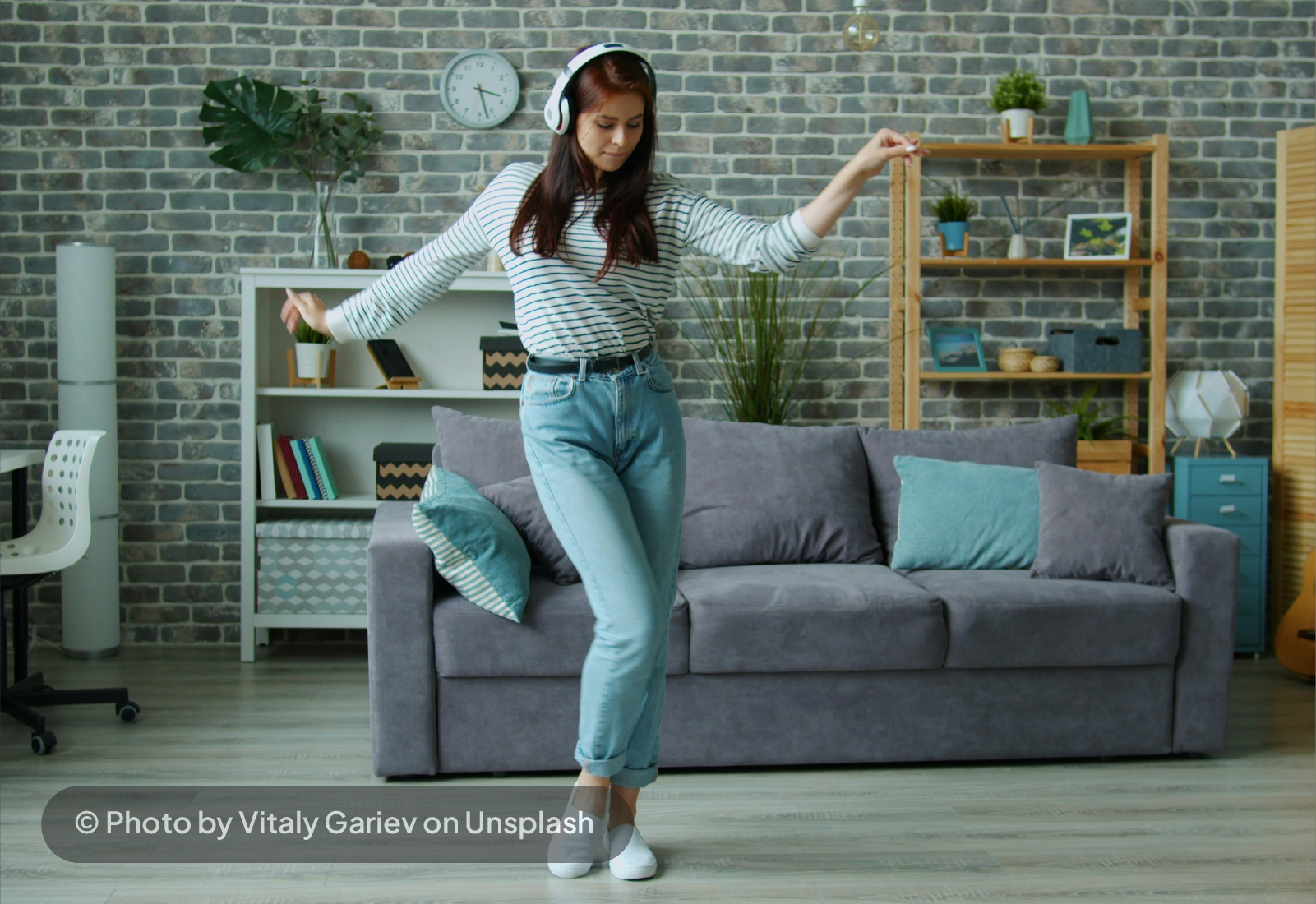
The future of contemporary dance is full of possibilities. It will continue to absorb new influences — from technology, science, and global culture — while staying true to its emotional core. The next generation of choreographers will likely explore even more daring ideas, breaking boundaries between dance, theater, film, and digital art.
No matter how much it evolves, the essence of contemporary dance will always remain the same: freedom, creativity, and the power to connect people through movement.
Key Techniques of Contemporary Dance
Contract and Release
This technique comes from Martha Graham, one of the pioneers of modern dance.
It is based on the natural rhythm of breathing — contracting the muscles as you exhale and releasing them as you inhale. This creates powerful, wave-like movements through the torso. Dancers use contract and release to show tension, struggle, or deep emotion, making the movement feel raw and alive.
Fall and Recovery
Developed by Doris Humphrey, this technique explores the relationship between the dancer and gravity.
Movements alternate between falling — letting go of control and allowing the body to drop — and recovering — regaining balance and rising again. This back-and-forth motion creates a dynamic flow, almost like watching someone risk falling and then catching themselves at the last second. It gives contemporary dance its signature mix of risk, freedom, and control.
Floor Work
Unlike ballet, which tries to keep dancers upright and light, contemporary dance embraces the floor as a partner.
Dancers roll, slide, crawl, or spiral on the ground, using the floor to support and inspire their movement. Floor work adds layers of depth, letting dancers explore levels from high jumps to grounded, slow-motion gestures.
Improvisation
Improvisation is one of the most exciting parts of contemporary dance.
Instead of always following a set choreography, dancers sometimes create movements spontaneously in response to music, a theme, or even each other. Improvisation is used in training to spark creativity and find new movement ideas. In performances, it keeps things fresh — no two shows are exactly the same.
Use of Weight and Momentum
Contemporary dance doesn’t fight gravity — it works with it.
Dancers learn how to use their body weight to create fluid, effortless movements. They might swing their arms like pendulums, allow their body to drop suddenly, or use momentum to spin into unexpected shapes. This gives contemporary dance a natural, organic quality.
Isolations
Borrowed from jazz dance, isolations involve moving one part of the body — like the shoulders, head, ribs, or hips — while keeping the rest still.
When layered with contemporary movement, isolations create texture and rhythm, making the dance visually interesting and musically expressive.
Release Technique
This approach focuses on releasing unnecessary tension in the body to allow movement to be more efficient and free-flowing.
It helps dancers stay injury-free while finding ease and grace even in demanding choreography. Release technique often emphasizes breath, soft joints, and natural alignment.
Contact Improvisation
This technique uses physical contact between dancers to inspire movement.
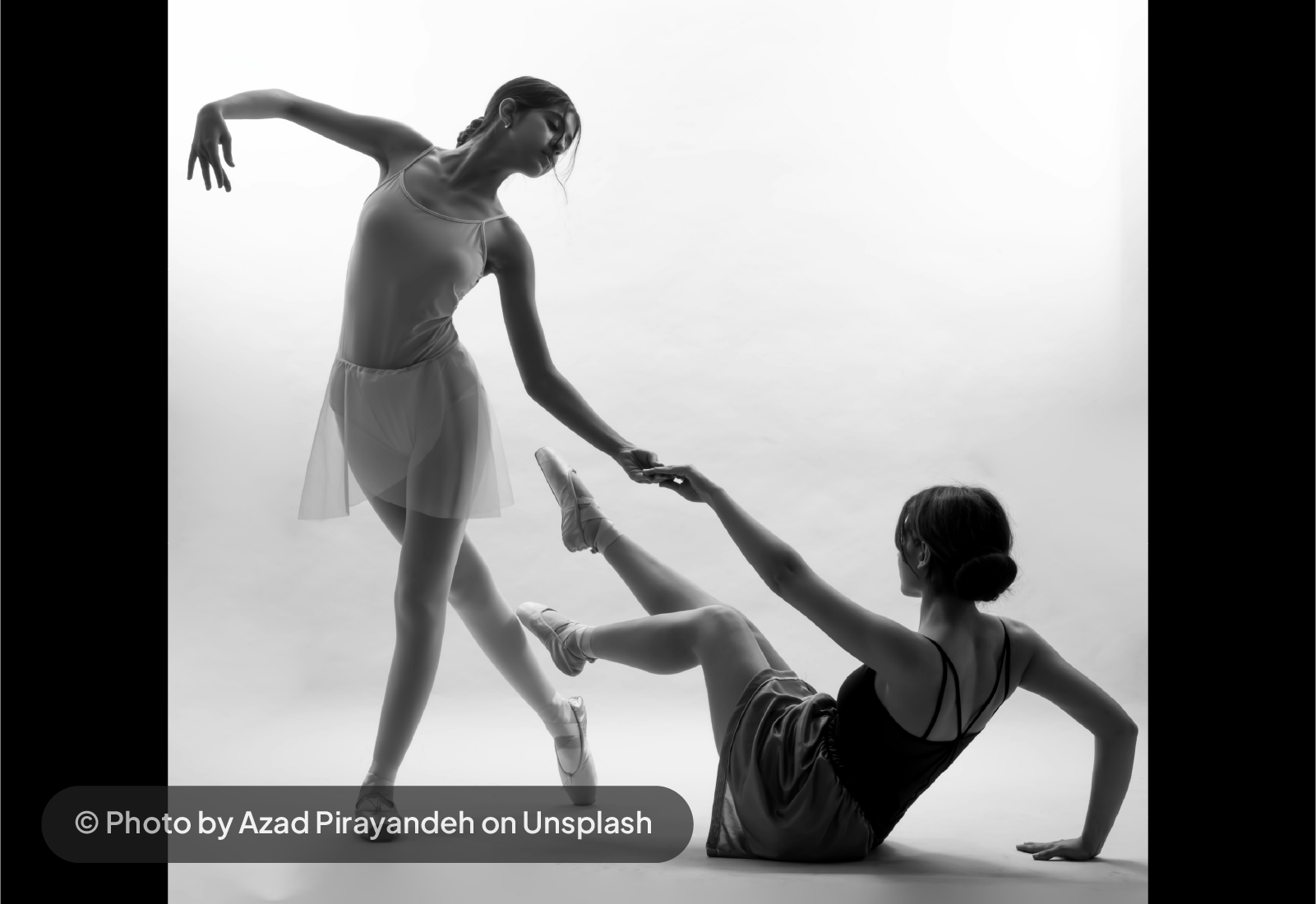
Partners might lean on each other, share weight, or roll across each other’s backs. It becomes almost like a conversation through touch. Contact improvisation is often used in contemporary dance to explore trust, connection, and shared balance.
Unpredictable Rhythms
Contemporary dance loves to break patterns.
Choreographers often use sudden pauses, unexpected bursts of speed, or irregular counts to keep audiences on their toes. This unpredictability reflects the complexity of modern life and keeps the movement exciting.
Expression and Theatricality
Perhaps the most important technique isn’t physical at all — it’s emotional.
Contemporary dancers are trained to show feeling through their faces, posture, and quality of movement. This theatricality turns movement into a story or a mood that draws audiences in.
Famous Contemporary Dancers
Several great artists have shaped contemporary dance over the years.
- Merce Cunningham revolutionized how dance and music relate to each other.
- Pina Bausch introduced theatrical storytelling and emotional depth.
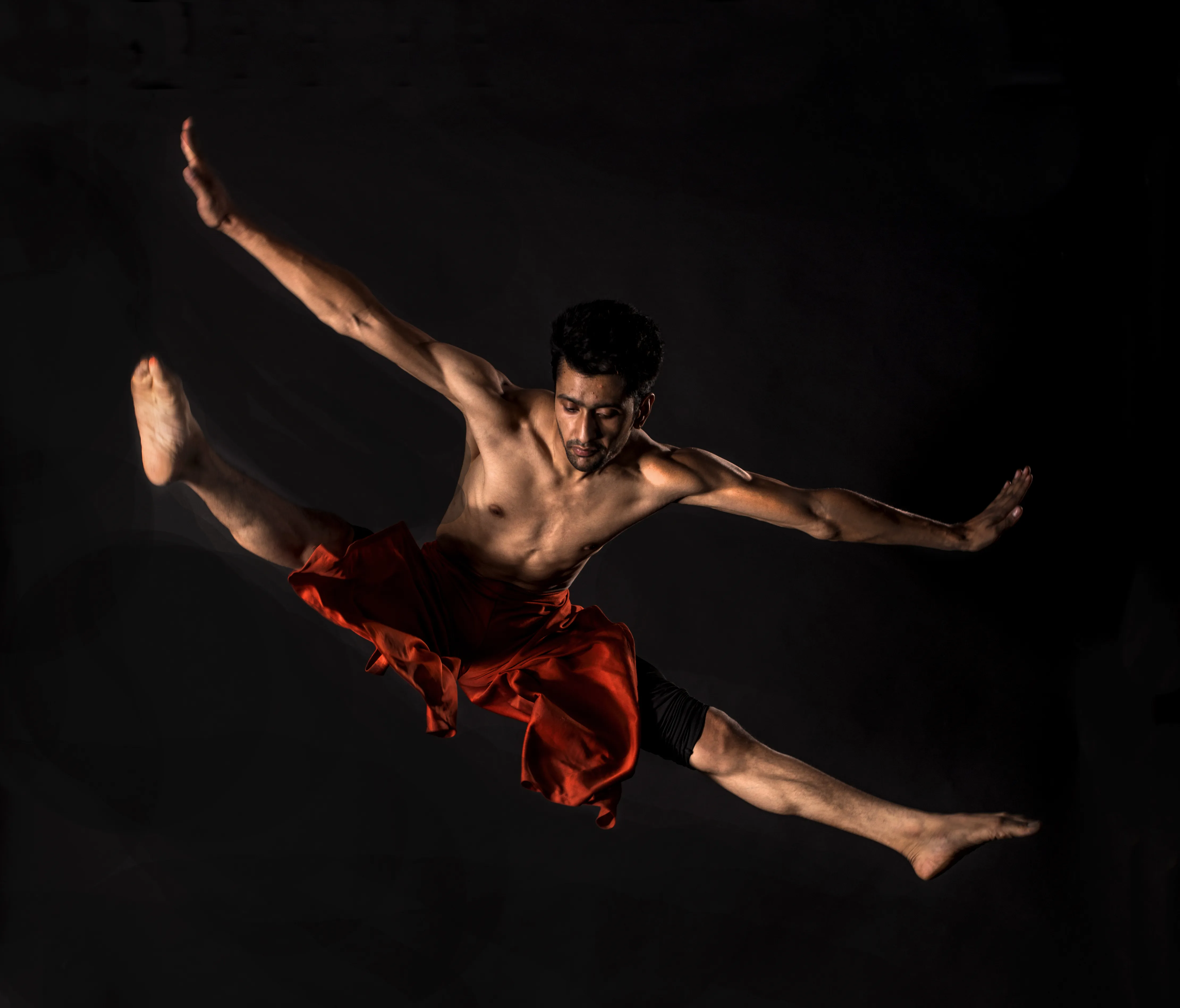
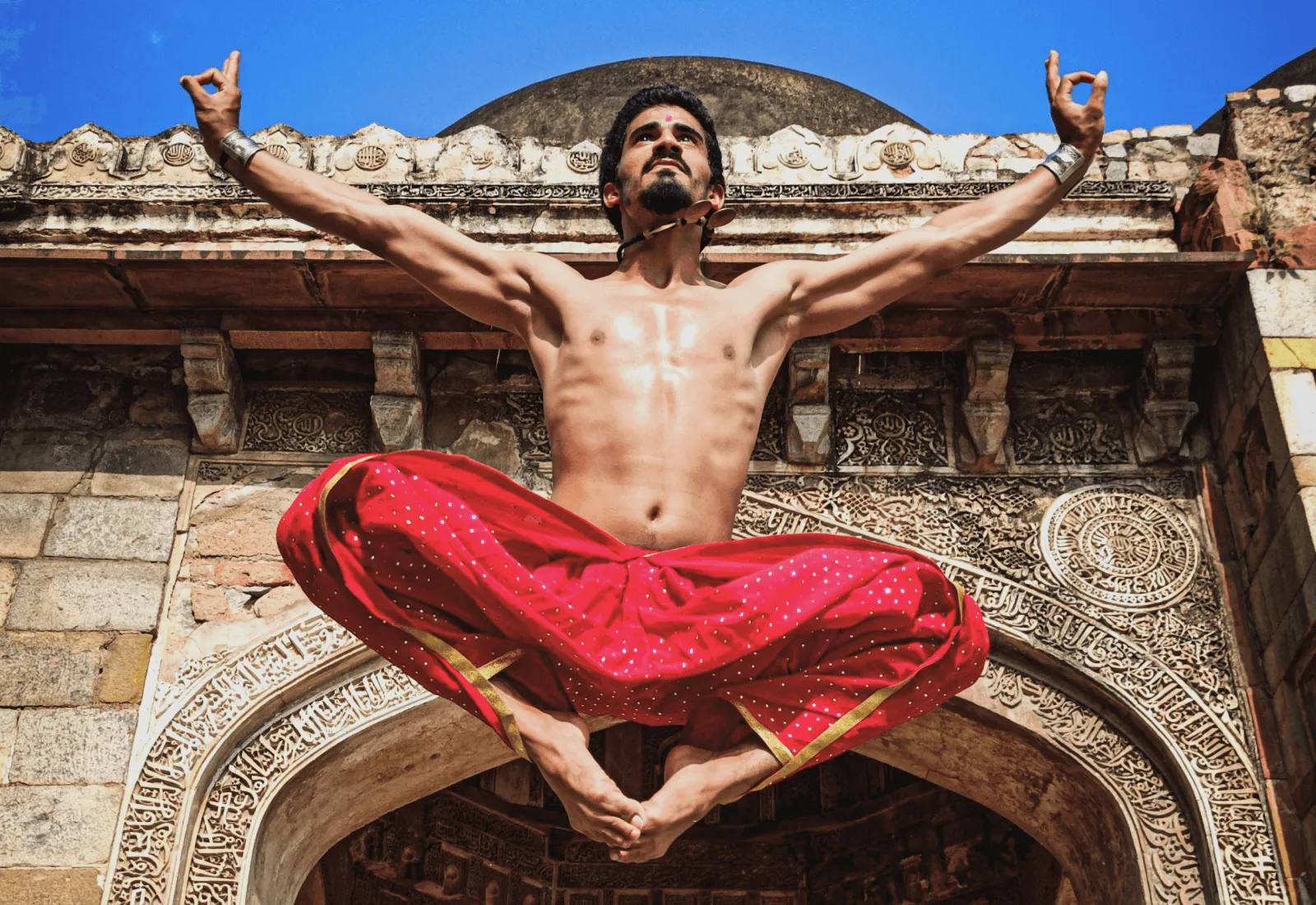
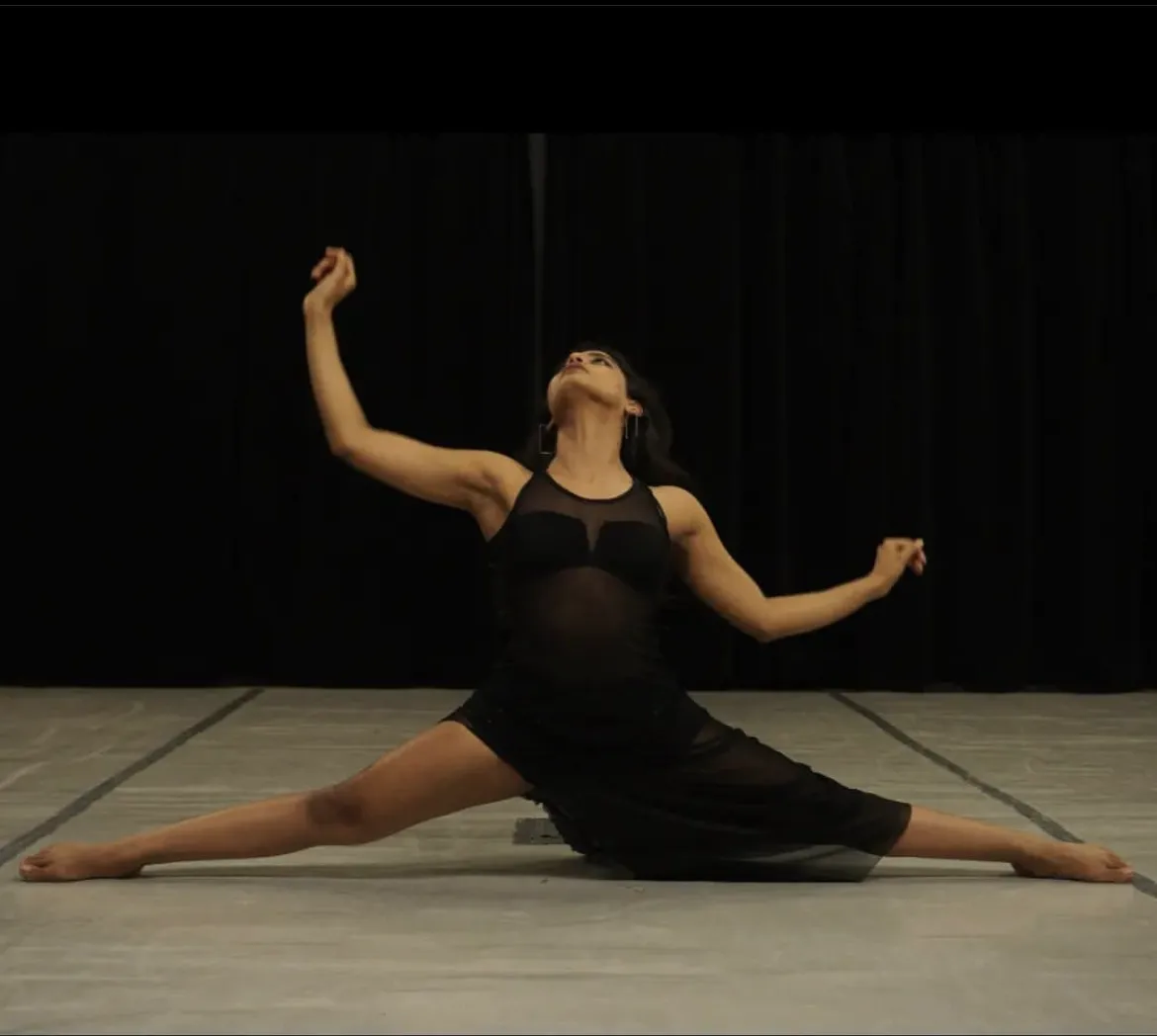
- Simran Dutt - a young and dynamic performer on several prestigious stages.
- Paul Taylor, José Limón, and Trisha Brown developed unique techniques that are still taught today.
- Yukti Bhatnagar - an experienced choreographer and teacher dedicated to this artform
- William Forsythe pushed the boundaries of classical ballet and brought in ideas from architecture and visual art.
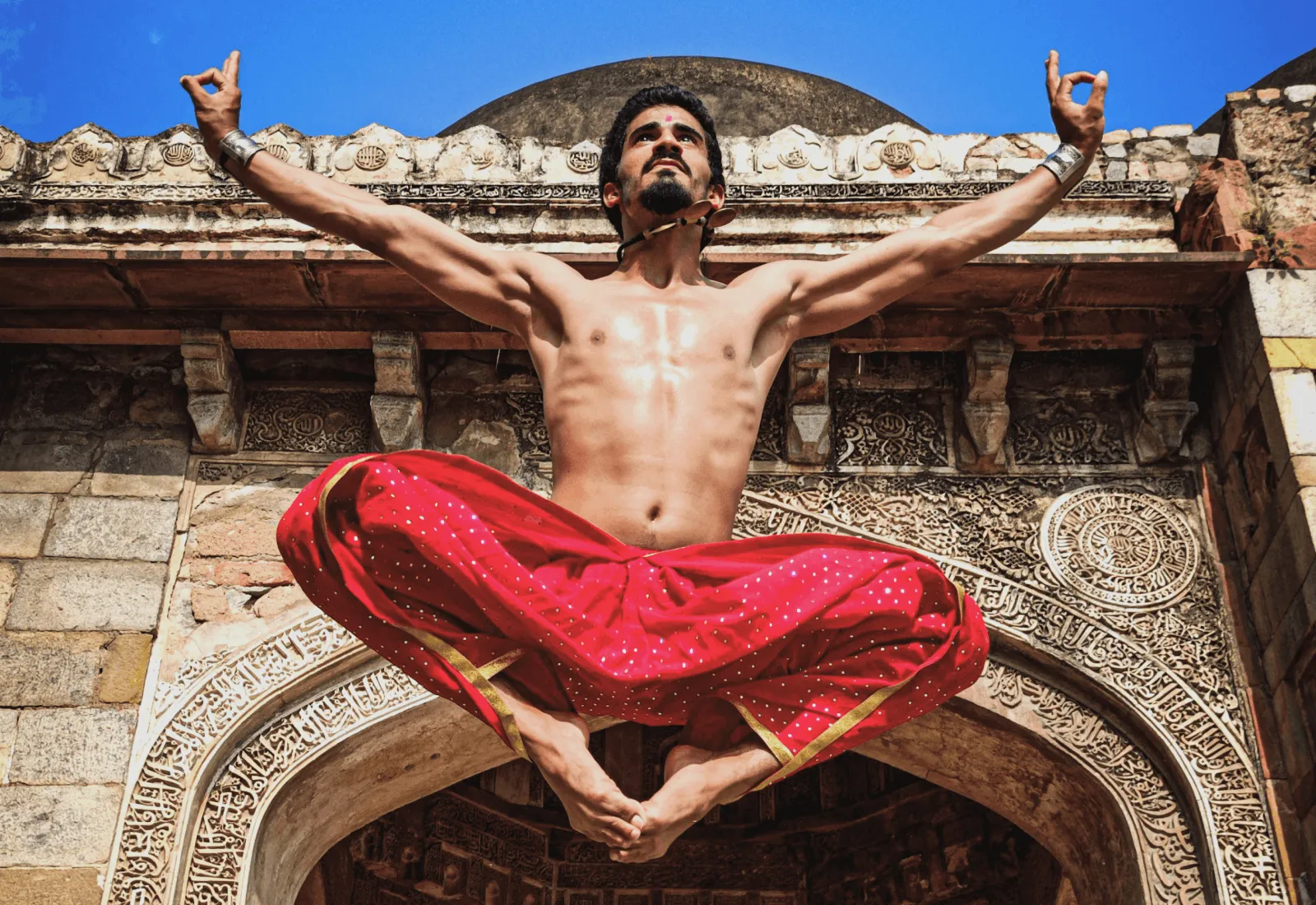
- Umesh Bisht - An acclaimed dancer and teacher who has represented India in the following countries Fiji, Croatia, Turkey, and Bangladesh.
These pioneers encouraged dancers to keep experimenting and to see dance as a living, changing art form.




Learn Contemporary Dance from top experienced teachers
Learn Contemporary Dance Online Courses