


Build a Solid Foundation in Hindustani Classical Music
 1-on-1 Class
Beginner

by Suparna Acharya
20 Years Experience
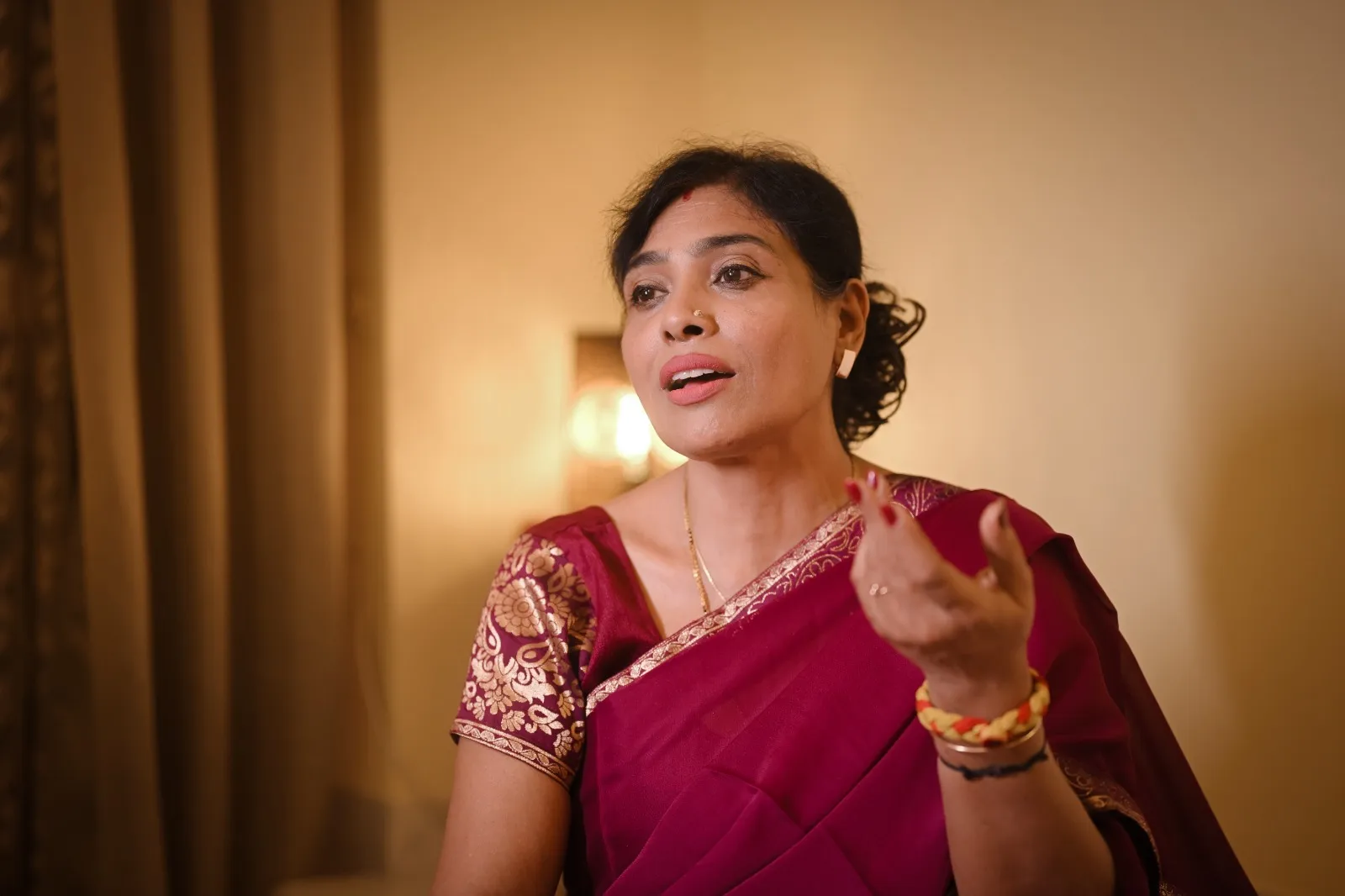
Suparna Acharya is a seasoned Hindustani light classical vocalist, trained under maestros like Pt. Birju Maharaj, excels in Thumri, Dadra, Chaiti & Jhula. An AIR-approved artist, she’s a performer and passionate teacher nurturing expressive singers.
US $14.4 per class |
for 1-on-1, 60 mins class
Recommended: 1 class per week | 12-16 weeks to level up
 Pay as you go, 2 classes at a time
You can choose your time slots in the next step. ipassio has thousands of happy learners from the US, Canada, Australia, UK, Europe, UAE, and India.
Instruction Language
: English, Bengali, Hindi
Course Summary
Have you always dreamt of singing confidently but never knew where to start? The first step in classical music can feel overwhelming — swaras, talas, ragas — it all seems vast and complex. But in truth, learning Hindustani Classical is about starting small, building steadily, and letting your voice discover its own strength.
This course is designed to be that gentle yet structured beginning. You’ll start with the very basics — understanding swaras, finding your pitch, and keeping rhythm. Step by step, you’ll learn simple ragas, alankars, and talas, slowly shaping your voice into a confident medium of expression. By the end of a year, you’ll not only sing five ragas with ease but also perform a Bhajan and a small recital piece — ready to share your music with others.
Details about the curriculum and how the classes are customized is mentioned in the ‘About the Course’ section.
Learn on

ipassio Video

Google Meet

BOTIM

Zoom
Teacher's Profile

Teacher Skill Keywords
Indian Classical Music, Vocal Training, Vocalist, Hindustani Classical Music, Light Classical Music, Performing Musician
About the Course
The beginner’s program is very thoughtfully designed as a step-by-step journey, where every month adds a new layer of learning.
Swar Sadhana - One month is dedicated to learning Swar (notes) and Saptak (octaves). You will learn to practice ‘Sa’ on Tanpura and Harmonium. You will also learn to develop the habit of listening carefully and singing in tune.
Sargam Practice - You will learn about singing the Sargam in Arohan (ascending) and Abarohan (descending) pattern. You will learn 3–5 simple Alankars (patterns) and practice sustaining notes like Sa, Pa, Ma for better voice control.
Rhythm Basics - In the third month you will continue learning 10 alankar patterns to strengthen fluency of sur and swar. Next, learn what Taal means (Sam, Tali, Khali) and clapping practice in Teentaal (16 beats)
First Raga – Bilawal - Your first introduction to Raga, it’s Aroha, Avaroha and Pakad and Bandish. It is one of the most basic ragas where all the 7 suddha swaras are used.
Second Raga – Bhoopali - This is another beginner’s staple. It is based on 5 notes. The Bandish of this Raga will be taught in Keharwa (8 beats) and Dadra (6 beats).
Taal Training - You will delve deeper into Teentaal (16 beats). The concepts will become stronger when you practice the Taal with Bandishes.
Third Raga – Yaman - As you move ahead another beautiful Raga - Yaman will be taught. In this Raga one vakra swar - that is Teevra Madhyam is used. Hence it is introduced after the student has got a good grip on the concepts that are taught so far. You will learn its notes, pakad, Bandish and a simple Alaap.
Fourth Raga – Durga - You will learn the bandish and a Bhajan based on Raga Durga. These sessions will blend classical and devotional together.
First Steps in Improvisation - In these sessions you will revisit Raga Bilawal and Bhoopali to learn Alaap and Taan in detail.
Fifth Raga – Desh - Another beautiful Raga with some of the most wonderful Bandishes. You will learn a Bandish based on Dadra or Jhaptaal. In these sessions you will learn how ragas express seasons and moods
Revision & Expansion - These sessions will be completely dedicated to the revision of all 5 ragas, alankars, talas and one more Bhajan.
Performance Preparation - As you approach the completion of the Beginners course you will be prepared to sing two Ragas and one Bhajan confidently on stage or in a personal gathering.
This course is mindfully designed to make you learn each of the melodic and rhythmic concepts deeply. To make it further customized, the teacher will go as per your pace and grasping capacity. The ragas can also be shuffled depending on your voice quality. By the end of the session, you will be confident to perform in front of an audience.
About the Teacher
Suparna Acharya is an experienced Hindustani light classical vocalist with a specialization in Thumri, Dadra, Chaiti, and Jhula. She has been trained by legendary gurus including Pandit Hemant Chattopadhaya, Pandit Amarnath, Pandit Maniprasad, Pandit Sukhmay Pakhrasi, Pandit Gautam Mukherji, and the great Pandit Birju Maharaj, with whom she also recorded a Thumri duet.
Recognized as both a Classical and Light Classical singer by All India Radio (AIR), Suparna has performed widely on Doordarshan and AIR, as well as in prestigious venues like Kamani Auditorium, Delhi and Raja Ranjeet Singh Gaikwad Laxmi Palace, Vadodara. She has released music with T-Series, composed for corporate programs with Indian Oil Corporation, and received blessings from Pt. Hariprasad Chaurasia after her performance at Brindavan Gurukul.
Alongside her performances, Suparna has been a dedicated teacher at institutions such as Kathak Kendra, Bal Bharti School, and Manasthali School. She is known for making learning simple, enjoyable, and performance-oriented.
Her teaching helps students build a strong base in sur and laya, while exploring the beauty of light classical music with emotion and expression.
... Read More
By the end of this course, you won’t just know the basics of Hindustani classical music — you’ll be able to perform a complete recital piece with confidence. You will be able to -
- Sing 5 full ragas with bandishes (Bilawal, Bhoopali, Yaman, Durga, Desh)
- Present a devotional Bhajan with proper classical touch
- Keep rhythm accurately in Teentaal, Dadra, and Keharwa while singing
- Show early improvisation skills (simple alaap and taan)
- Build a voice that is stable, in-tune, and expressive
- Gain the confidence to perform in front of family, friends, or a small audience
- After learning the basics of Hindustani classical vocals, you can take your learning ahead with Intermediate Hindustani Vocal Classes.
From a complete beginner, you’ll grow into a singer who can present ragas, devotional music, and light classical compositions — ready for your very first stage or class performance.
... Read More
- You don’t need to know ragas, taals, or have formal music education. This course starts from the very basics.
- Recommended for ages 7 and above. (Younger learners may join if they can sit attentively for 30–40 minutes.)
- If you enjoy humming songs, or can recognize when a note sounds “right” or “off,” you’re ready.
- At least 15–20 minutes of daily practice outside class will help you see real progress.
- A phone/laptop with good internet for online sessions
- A quiet space for practice
- It will be helpful to have a Tanpura app or own a harmonium/keyboard to support pitch practice
... Read More

Available For All Age-Groups

12 Online live sessions completed
Our teachers recommend customized classes for an effective learning experience. Here's why!
Every individual
Has a unique learning style
Is at a different learning stage
Has a different voice texture, tonal quality and intonation
Has a different understanding of rhythm and melody
Has different breathing capabilities
And a different GOAL!
Available For All Age-Groups
12 Online live sessions completed
Our teachers recommend customized classes for an effective learning experience. Here's why!
Every individual
Has a unique learning style
Is at a different learning stage
Has a different voice texture, tonal quality and intonation
Has a different understanding of rhythm and melody
Has different breathing capabilities
And a different GOAL!
What you get?

World-class masters as teachers

Personalized & Interactive 1-on-1 classes

Course studio that amplifies passion learning

Access to global creative community

Pay as you go - 2 classes at a time

Milestone-based learning for best results

Statement of Accomplishment

Teacher's performance bits for reference
World-class masters as teachers
Personalized & Interactive 1-on-1 classes
Course studio that amplifies passion learning
Access to global creative community
Pay as you go - 2 classes at a time
Milestone-based learning for best results
Statement of Accomplishment
Teacher's performance bits for reference


FAQs
Additional Resources
What Makes ipassio Your Best Fit?

Online, real-time classes
From the comfort of your home, 1 on 1 online interactive classes are scheduled at your convenient time.

World class performers as educators
Award-winning teachers customize the course just for you. Their structured learning methodology lets you always track your progress.

Pay as you go
No long-term commitment. Pay for as few as 2 classes at a time. When you can't make it for the class, you can mutually reschedule with ease.